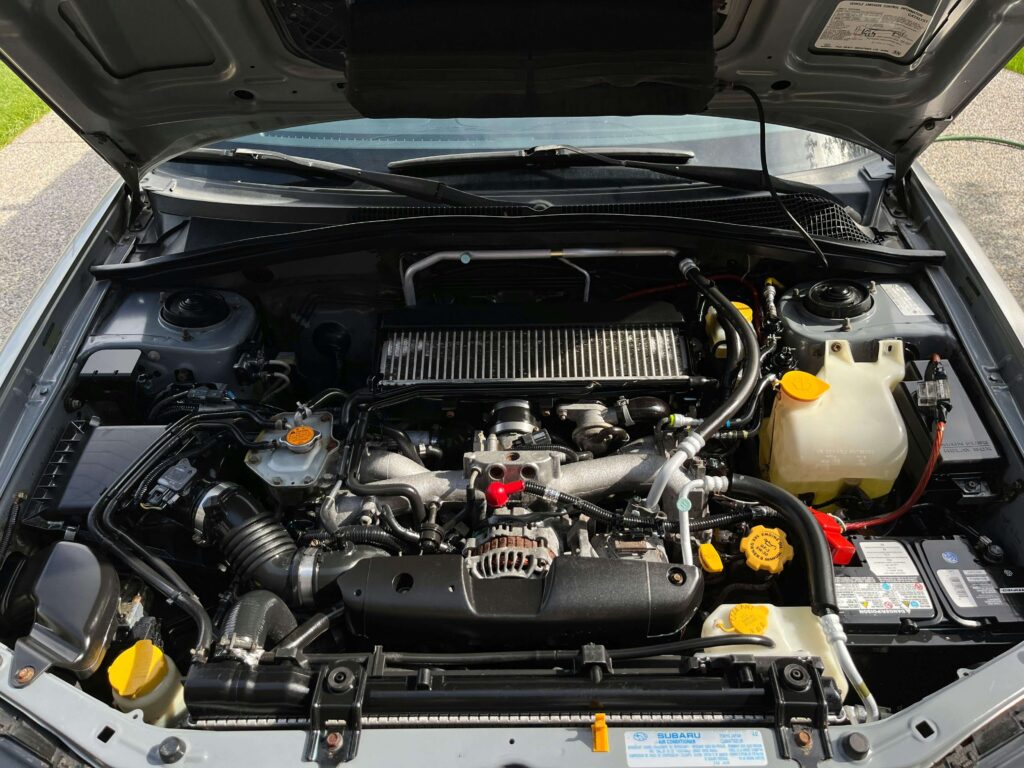
A starting problem is particularly inconvenient in cold weather. Learning the early warning signs can help you arrange a test before a weak or discharged battery leaves your vehicle unable to start.
Notice Changes When Starting
An engine that turns over more slowly than usual may not be receiving enough starting power. A discharged or worn battery is one possibility, but cables, connections and the starter can also be involved. Have the system tested instead of assuming that one symptom proves the battery is faulty.
Watch the Lights and Warning Messages
Dim or flickering lights, unusual accessory behaviour and a battery-shaped warning light deserve attention. While the engine is running, a battery warning commonly points to the charging system. Follow the owner’s manual and arrange an assessment of the battery, alternator and connections.
Take Repeated Boosts Seriously
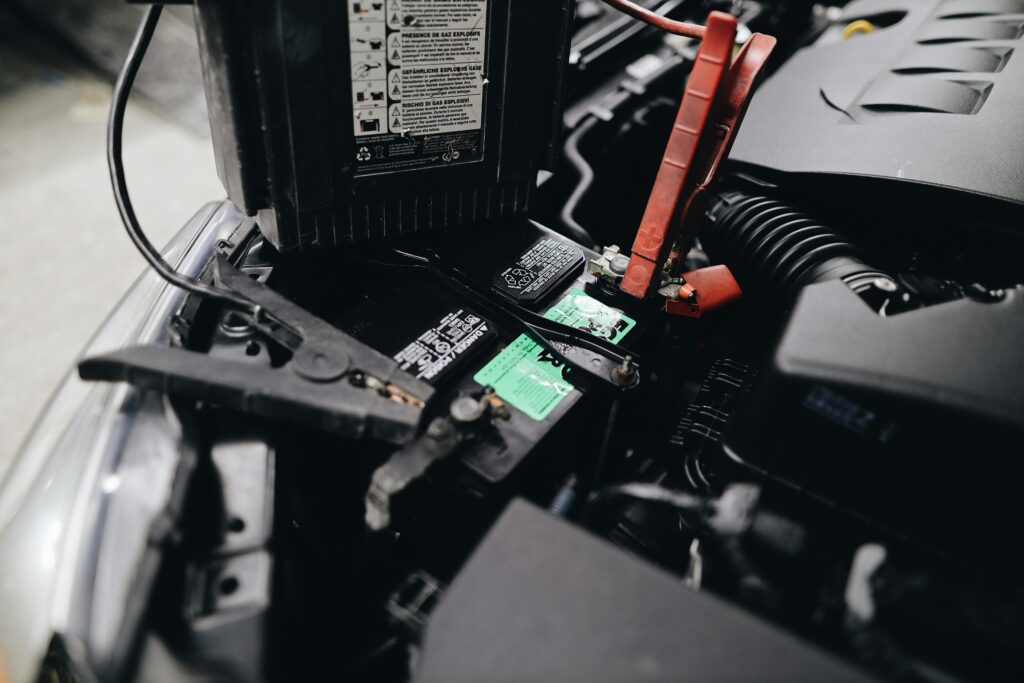
A boost can restore starting power temporarily when appropriate, but it does not explain why the charge was lost. Repeated discharge may be caused by a worn battery, a charging fault, an electrical drain or usage patterns. A technician can test for the cause before you buy a replacement.
Consider Age and Condition
Battery life varies with the vehicle, climate and use. Keep track of its age and ask for testing when performance changes or before a demanding season. Visible swelling, damage, leakage or a suspected frozen battery requires professional attention; do not attempt to boost or charge it.
Choose the Right Next Step
Use the battery type and specification required by your vehicle, and follow its maintenance instructions. Some replacements require additional setup. If your car will not start, tell dispatch what you have observed and whether there are any signs of damage.
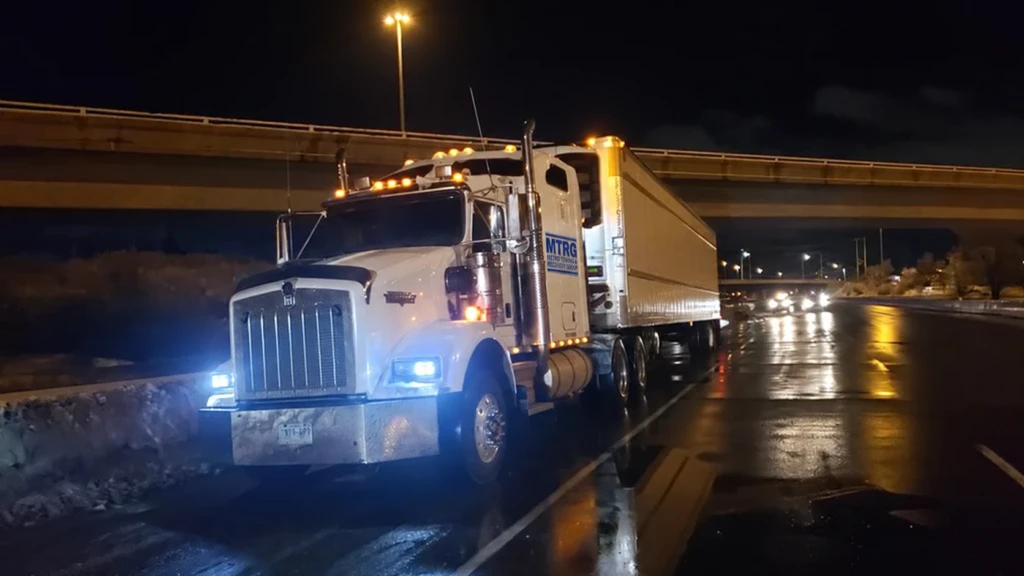
Contact Metro Towing and Recovery Group to discuss battery-boosting assistance or a tow for further diagnosis.