An electric vehicle may need roadside assistance after a loss of charge, a low-voltage battery problem or a mechanical fault. The towing method must suit the exact model and its condition.
Put Safety and Location First
If you can do so safely, move clear of traffic and switch on the hazard lights. Call 911 for immediate danger. Tell the towing dispatcher your location, direction of travel, make, model and year, along with any warning messages or collision damage.
Use the Manufacturer’s Transport Instructions
Many EVs are carried on a flatbed, but a blanket rule does not replace the vehicle’s own instructions. Tesla’s Model 3 guidance, for example, recommends a flatbed and describes a limited alternative using wheel lifts and dollies with all wheels off the ground. Loading procedures and transport limits must be followed for the specific vehicle. See the Model 3 transporter instructions and the manual for your own model.
Tell the operator whether the vehicle still has low-voltage power and whether its approved loading mode is available. Do not assume that selecting neutral makes every EV suitable for towing with its wheels on the road.
Choose a Useful Destination
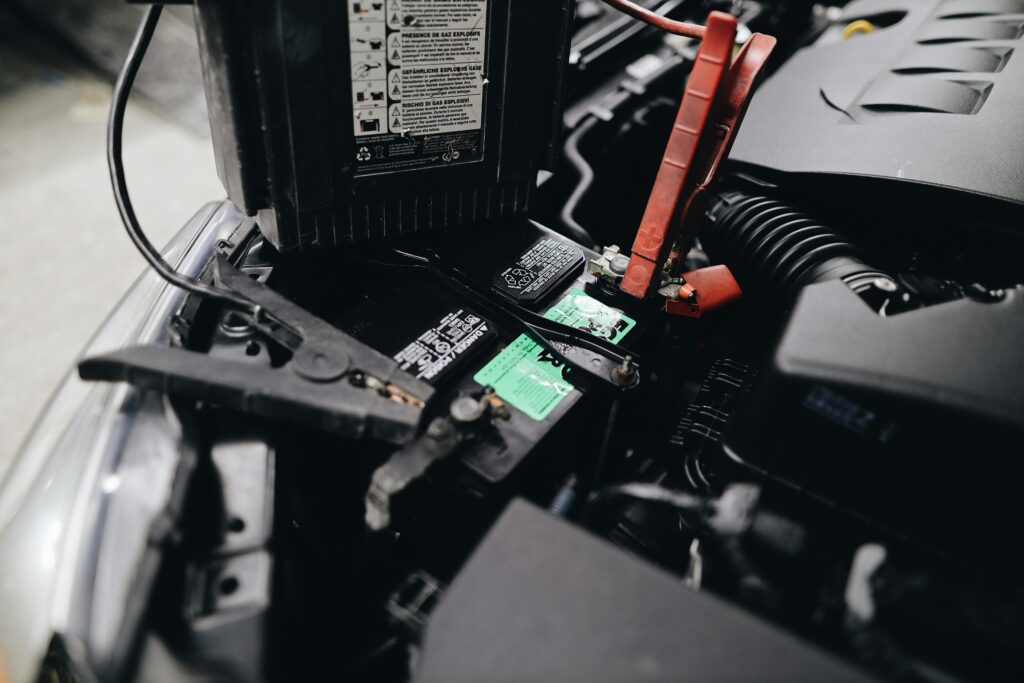
If the traction battery is depleted, discuss whether the destination should be a compatible working charger or a service facility. Confirm access and availability where possible before setting off. A low-voltage boost and charging the main driving battery address different problems.
Prepare Before the Next Trip
Save the manufacturer’s roadside-assistance details and keep your charging plan realistic for the weather and journey. Carry a phone charger, warm clothing and other appropriate emergency supplies. Ask the towing provider about equipment, vehicle experience, pricing and the planned destination.
Metro Towing and Recovery Group can help you discuss EV transport and arrange the next step when your vehicle cannot continue.