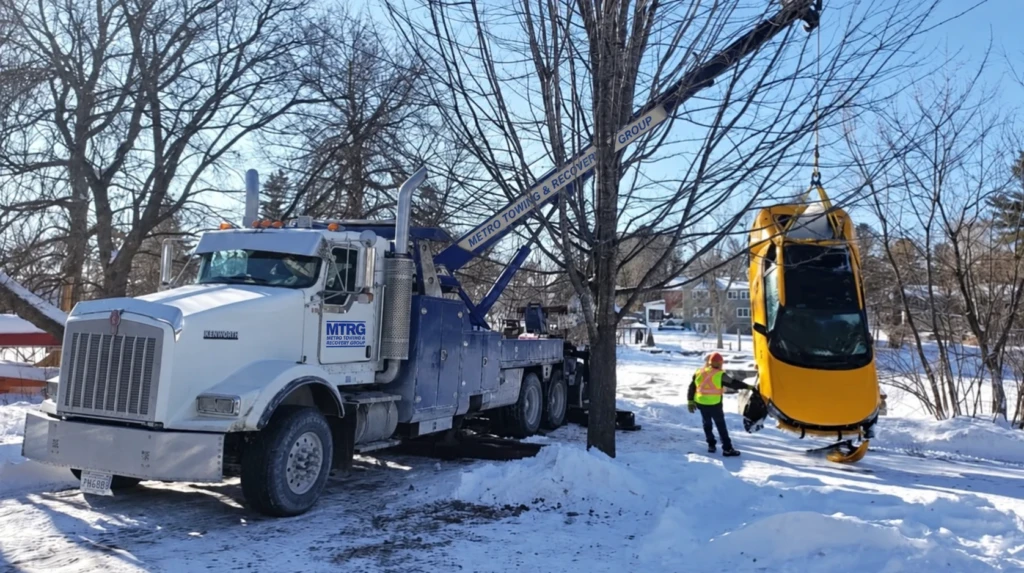
Snow, ice and reduced visibility can turn an ordinary drive into a difficult one. Preparing the vehicle and allowing more time can help you respond more calmly when conditions change.
Get the Vehicle Ready
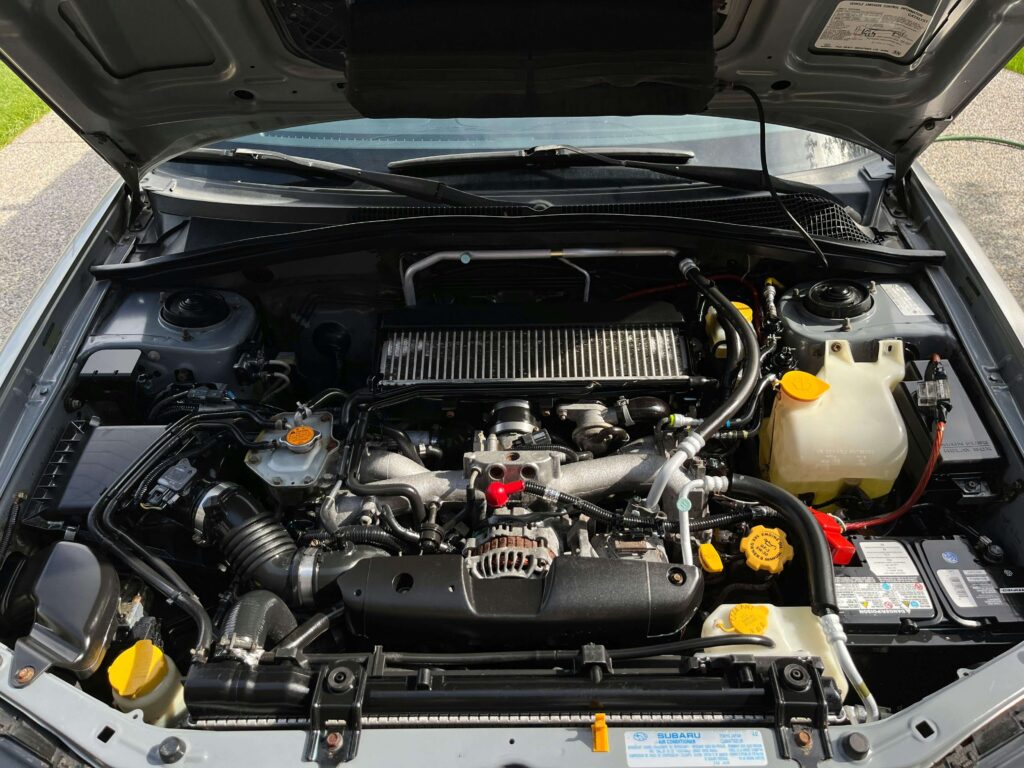
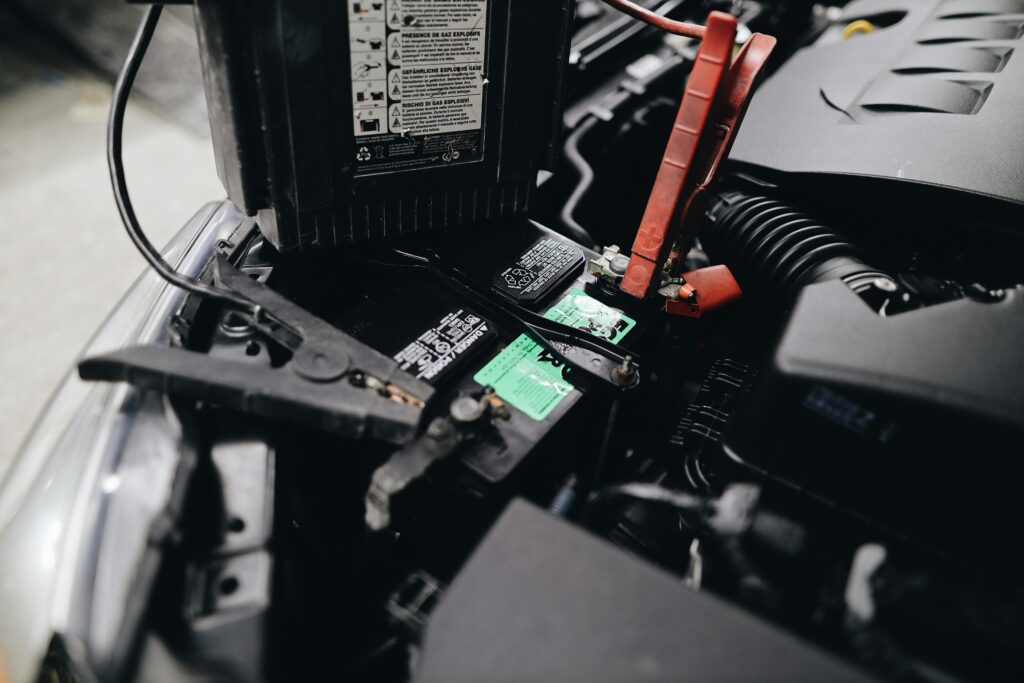
Arrange appropriate maintenance before winter, including attention to tires, battery condition, lights, wipers and washer fluid. Clear snow and ice from the vehicle before driving. Use winter tires appropriate for the vehicle and keep them at the recommended pressure.
Carry supplies suited to your route: warm clothing, a blanket, phone power, a flashlight, food, water and a small shovel are useful starting points. Check the Ontario winter-driving guide for preparation and road-condition resources.
Adapt Your Driving
Check the weather and route before leaving, reduce speed for the conditions and give yourself more space to stop. Use smooth steering and braking inputs. If conditions are poor, consider delaying the trip rather than depending on a planned arrival time.
If the Vehicle Cannot Continue
Choose the safest available place to stop and use hazard lights. Call 911 for immediate danger. For a breakdown or a vehicle stuck in snow, give dispatch your location, direction of travel and the vehicle’s position. Follow responder instructions about where to wait.
Avoid repeated attempts to drive a vehicle out when they are making its position worse. Keep clear of recovery equipment and let the operator assess the situation. If you are stranded in snow, pay attention to exhaust blockage and follow official guidance on staying warm safely.
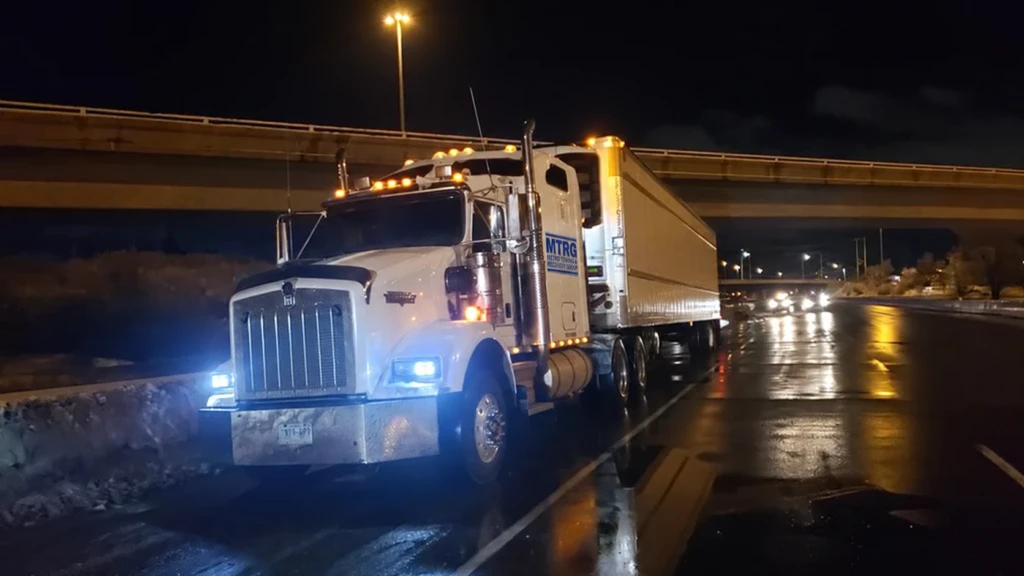
Metro Towing and Recovery Group can help you discuss roadside assistance or recovery when winter conditions interrupt your journey.